
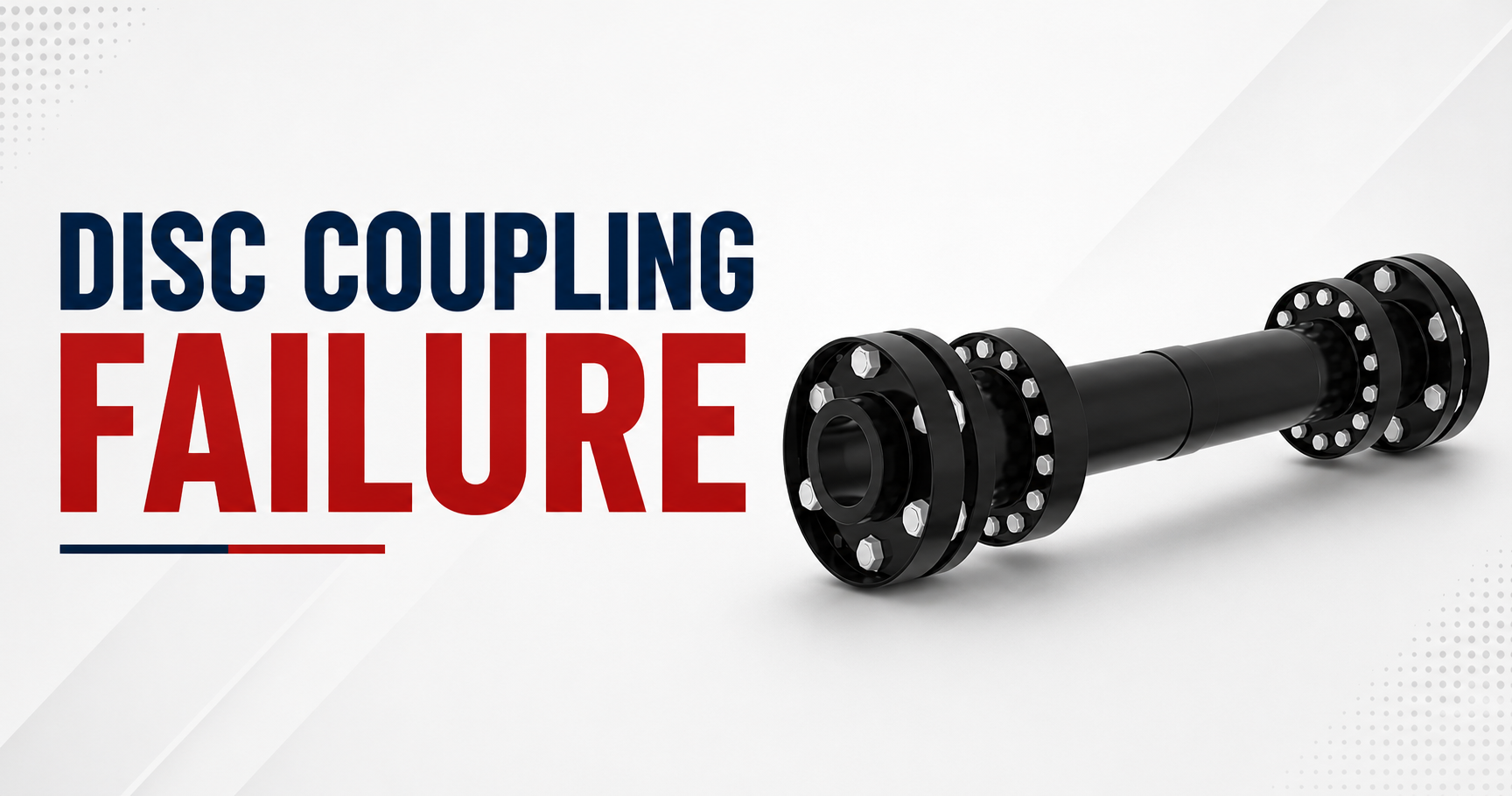
Disc coupling failure is most commonly caused by excessive shaft misalignment, torque overload, fretting corrosion, improper coupling selection, and poor installation practices. These issues can gradually weaken the disc pack and reduce coupling performance.
Common warning signs include cracks near bolt holes, metallic dust formation, excessive vibration, abnormal noise, and heat generation. Identifying these symptoms early can help prevent unexpected equipment failures and costly downtime.
The most effective ways to prevent disc coupling failure include precision shaft alignment, correct coupling sizing, routine inspections, and vibration monitoring. When applied consistently, these practices improve equipment reliability and extend coupling service life.
Disc couplings are widely used in pumps, compressors, turbines, generators, and other rotating equipment because they provide reliable torque transmission while accommodating limited shaft movement. Understanding the causes, failure modes, and warning signs of failure helps maintenance teams improve reliability and avoid unplanned shutdowns.
Common Causes of Disc Coupling Failure
Disc coupling failures are usually the result of operating conditions that exceed the design limits of the coupling or improper maintenance practices.
Excessive Misalignment — Angular, Parallel, and Axial
Misalignment is one of the most common causes of disc coupling failure. Although disc couplings are designed to accommodate limited shaft movement, excessive angular, parallel, or axial misalignment creates additional stress on the disc pack.
As the coupling rotates, the disc pack flexes repeatedly to compensate for the misalignment. Over time, this repeated movement can lead to metal fatigue and crack formation. The greater the misalignment, the faster the fatigue damage develops.
Common Causes of Disc Coupling Failure
Disc coupling failures are usually the result of operating conditions that exceed the design limits of the coupling or improper maintenance practices.
Excessive Misalignment — Angular, Parallel, and Axial
Misalignment is one of the most common causes of disc coupling failure. Although disc couplings are designed to accommodate limited shaft movement, excessive angular, parallel, or axial misalignment creates additional stress on the disc pack.
As the coupling rotates, the disc pack flexes repeatedly to compensate for the misalignment. Over time, this repeated movement can lead to metal fatigue and crack formation. The greater the misalignment, the faster the fatigue damage develops.
Torque Overload — Single Shock vs. Cyclic Fatigue
Every disc coupling is designed to operate within a specific torque range. Sudden shock loads caused by equipment jams, emergency stops, or process disturbances can place excessive stress on the coupling.
Even when a single overload event does not cause immediate failure, repeated loading cycles can weaken the disc pack over time. This type of damage is commonly referred to as cyclic fatigue.
Fretting Corrosion Between Disc Laminations
Disc packs are made from multiple thin metal laminations. Small movements between these laminations can create friction during operation.
This friction produces fine metallic particles that often appear as reddish-brown powder around the coupling. Over time, fretting corrosion can weaken the laminations and contribute to premature failure.
Incorrect Coupling Selection or Service Factor
Selecting a coupling based solely on operating torque can be a costly mistake. Factors such as starting torque, shock loading, operating speed, and application type should also be considered.
An undersized coupling may perform adequately during normal conditions but fail prematurely when subjected to real operating demands.
Poor Installation and Assembly Practices
Even the best coupling can fail if installed incorrectly. Improper shaft alignment, incorrect bolt tightening, damaged components, or failure to follow manufacturer guidelines can all reduce coupling life and increase the likelihood of failure.
The Main Disc Coupling Failure Modes
Understanding how disc couplings fail can help maintenance teams identify root causes and take corrective action before similar failures occur again.
Fatigue Cracking Around Bolt Holes
Fatigue cracking is one of the most frequently observed failure modes in disc couplings. Stress concentrations often develop around bolt holes where the disc pack connects to the hubs or spacers.
Over time, repeated cyclic loading causes microscopic cracks to form. These cracks gradually grow until the disc pack can no longer safely transmit torque.
Disc Pack Buckling Due to Torque Overload
Severe torque overload can permanently deform the disc pack. Instead of remaining flat, the laminations become distorted or buckled.
This type of failure is usually associated with sudden overload conditions and often requires immediate replacement of the damaged components.
Lamination Fretting and Surface Wear
Fretting wear occurs when small movements between laminations generate friction and material loss. While this process is gradual, it can eventually weaken the disc pack and reduce its ability to handle operating loads.
Fastener and Bolt Failure
Bolts are critical components in a disc coupling assembly. If bolts become loose, overstressed, or improperly installed, load distribution across the coupling can change significantly.
This can accelerate wear and lead to additional component damage.
Disc Coupling Failure Symptoms and Warning Signs
Recognizing early warning signs can help prevent unexpected shutdowns and costly repairs.
Cracks in the Disc Pack
Visible cracks are among the most serious indicators of developing failure. Cracks typically appear near bolt holes or other high-stress locations and should never be ignored.
Red or Brown Metallic Dust Formation
The presence of metallic dust around the coupling often indicates fretting corrosion. Although this symptom may seem minor, it can be an early sign of progressive disc pack deterioration.
Excessive Vibration During Operation
An increase in vibration levels may indicate coupling damage, shaft misalignment, or mechanical wear. Monitoring vibration trends can provide valuable insight into equipment health.
Abnormal Noise and Heat Generation
Unusual noises, rattling sounds, or excessive heat near the coupling can signal abnormal operating conditions. These symptoms often develop before major failures occur.
Reduced Equipment Performance
A damaged coupling can affect the overall performance of connected machinery. Operators may notice reduced efficiency, unstable operation, or inconsistent process performance.
Disc Coupling Failure Analysis
Failure analysis is essential for identifying the root cause of a problem and preventing future occurrences.
Visual Inspection Without Disassembly
Many coupling issues can be identified through routine visual inspections. Maintenance personnel should look for cracks, corrosion, loose fasteners, discoloration, deformation, and signs of wear.
What Crack Patterns Reveal
The location and direction of cracks often provide clues about the source of failure. Fatigue-related cracks generally develop gradually and follow predictable patterns associated with repeated stress cycles.
Identifying Misalignment-Induced Failure
When misalignment is the primary cause, failure patterns often include fatigue cracks, uneven stress distribution, and localized wear.
Recognizing Torque Overload Damage
Overload failures frequently involve distorted laminations, buckled disc packs, or sudden fractures that occur after a significant loading event.
Detecting Fretting Corrosion and Wear
Fretting damage can usually be identified by surface wear marks and the presence of metallic debris between laminations. Early detection helps prevent more severe damage.
Determining the Root Cause of Failure
A complete analysis should consider operating history, vibration data, alignment records, maintenance practices, and process conditions. Identifying the true root cause is critical for preventing repeat failures.
How to Prevent Disc Coupling Failure
Most disc coupling failures can be avoided through proper installation, selection, and maintenance practices.
Precision Laser Alignment During Installation
Accurate shaft alignment reduces stress on the disc pack and helps maximize coupling life. Modern laser alignment systems provide higher accuracy than traditional methods.
Correct Service Factor and Coupling Selection
Selecting the right coupling for the application is essential. Service factors should account for operating conditions, load variations, and potential shock loads. Using the correct industrial coupling solution can significantly improve equipment reliability and service life.
Scheduled Disc Pack Inspections
Routine inspections help identify cracks, wear, fretting damage, and loose fasteners before they develop into serious problems.
Vibration Monitoring as an Early Warning System
Condition monitoring programs can detect developing coupling issues before visible damage occurs. Monitoring vibration trends allows maintenance teams to take corrective action early.
Following Recommended Maintenance Practices
Regular inspections, proper fastener checks, and adherence to manufacturer guidelines contribute significantly to long-term coupling reliability.
When Should You Replace a Disc Coupling?
Disc couplings should be replaced when significant damage is present. Visible cracks, severe fretting corrosion, distorted laminations, failed fasteners, or permanent deformation indicate that the coupling can no longer operate safely.
Continuing to operate with a damaged disc coupling increases the risk of unexpected equipment failure, secondary damage to bearings and shafts, and costly production downtime. Replacing worn components before catastrophic failure occurs is often the most cost-effective approach.
Frequently Asked Questions About Disc Coupling Failure
What is the most common cause of disc coupling failure?
Shaft misalignment is the most common cause of disc coupling failure. Excessive angular, parallel, or axial misalignment creates repeated stress on the disc pack, leading to fatigue cracks, vibration issues, and reduced coupling life.
Can misalignment cause disc coupling failure?
Yes. Excessive shaft misalignment forces the disc pack to flex beyond its design limits, which can result in fatigue cracking, increased vibration, and premature failure.
What are the early signs of disc coupling failure?
Common warning signs include increased vibration, abnormal noise, heat generation, cracks in the disc pack, and reddish-brown metallic dust caused by fretting corrosion.
What causes cracks in a disc coupling disc pack?
Cracks typically develop due to cyclic fatigue caused by misalignment, torque fluctuations, overload conditions, or prolonged operation under excessive stress.
How does torque overload affect a disc coupling?
Torque overload can deform or buckle the disc pack and may cause sudden coupling failure. Repeated overload conditions can also reduce the fatigue life of the coupling.
What is fretting corrosion in a disc coupling?
Fretting corrosion occurs when small movements between disc laminations create friction. This produces metallic wear particles and can weaken the disc pack over time.
How do you inspect a disc coupling for damage?
A visual inspection should check for cracks, loose fasteners, disc pack deformation, metallic dust, excessive wear, and signs of overheating. Vibration analysis can also help detect developing issues.
When should a disc coupling be replaced?
A disc coupling should be replaced if it shows visible cracks, severe fretting wear, permanent deformation, broken laminations, or other signs of structural damage.
How can disc coupling failure be prevented?
Proper shaft alignment, correct coupling selection, routine inspections, vibration monitoring, and following recommended maintenance practices can significantly reduce the risk of disc coupling failure.
What is the difference between misalignment failure and overload failure?
Misalignment failure usually results in fatigue cracks that develop gradually over time, while overload failure often causes sudden deformation, buckling, or fracture of the disc pack due to excessive torque.
How often should disc couplings be inspected?
Disc couplings should be inspected during scheduled maintenance intervals. Critical applications may require more frequent inspections based on operating conditions and vibration monitoring data.
Can a damaged disc pack be repaired?
Minor issues may sometimes be addressed during maintenance, but cracked, deformed, or severely worn disc packs generally require replacement to ensure safe and reliable operation.


