
Industrial power transmission systems depend on couplings to transfer torque efficiently while protecting machinery from vibration, shock loads, and shaft misalignment. Whether used in steel plants, cement factories, mining operations, or power generation facilities, couplings play a critical role in maintaining smooth and reliable machine performance.
Understanding the different types of couplings helps engineers and maintenance teams choose the right solution for specific operating conditions. The correct coupling can improve equipment life, reduce downtime, and increase overall operational efficiency.
Why Are Couplings Important in Industrial Machinery?
Couplings are mechanical devices that connect two rotating shafts and transmit power from one component to another. Besides torque transmission, they help compensate for shaft misalignment, absorb vibration, and reduce shock loads generated during machine operation.
Industrial couplings are commonly used in:
- Pumps
- Compressors
- Conveyors
- Gearboxes
- Crushers
- Power plants
- Steel mills
- Material handling equipment
Some key advantages of industrial couplings include:
- Improved power transmission efficiency
- Reduced vibration and noise
- Protection against overload conditions
- Lower maintenance requirements
- Extended machinery lifespan
Depending on the application, industries select couplings based on torque capacity, shaft alignment requirements, operating speed, and environmental conditions.
Different Types of Couplings and Their Applications
Gear Coupling
A Gear Coupling is designed for high torque applications and uses internal and external gear teeth to transmit power.
Applications:
Steel plants, mining equipment, rolling mills, heavy industrial drives.
Benefits:
High torque capacity, long service life, excellent durability
Grid Coupling
A Grid Coupling contains a spring steel grid that absorbs shock loads and vibration between connected shafts.
Applications:
Compressors, pumps, crushers, conveyors.
Benefits:
Excellent shock absorption, reduced vibration, improved equipment protection.
Disc Coupling
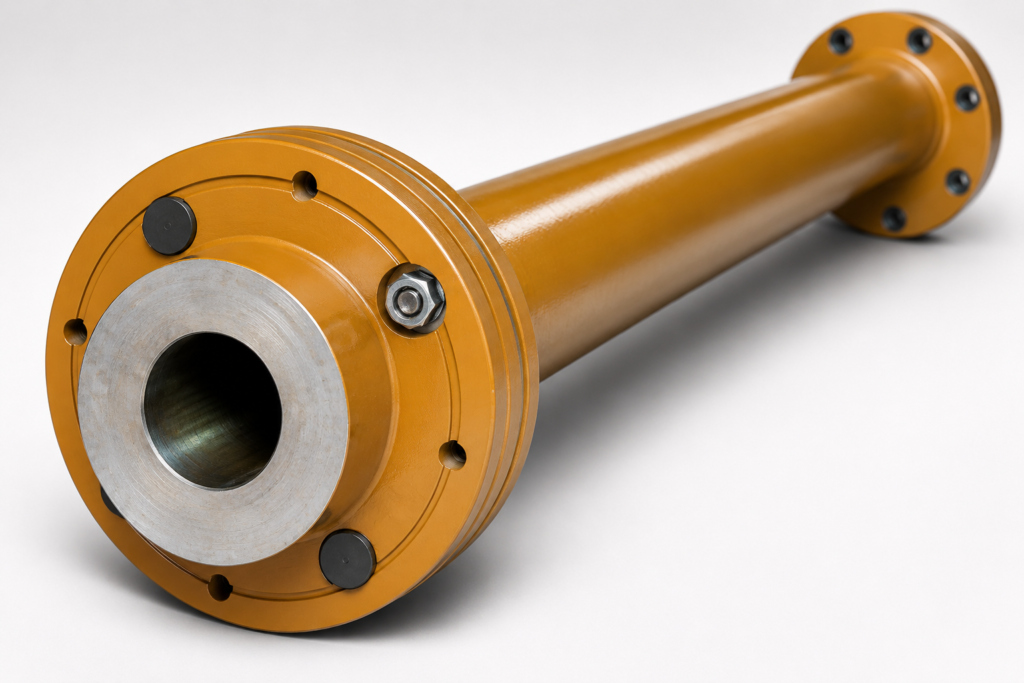
A Disc Coupling transfers torque through flexible stainless steel disc packs while maintaining high torsional stiffness.
Applications:
Turbines, power generation systems, compressors, high speed drives.
Benefits:
Maintenance free operation, precision performance, high speed capability.
Jaw Coupling
Jaw couplings use an elastomer insert between two hubs to absorb vibration and minor shaft movement.
For advanced industrial applications, many industries prefer UTEX Curved Jaw Coupling solutions.
Applications:
Pumps, packaging equipment, fans, material handling systems.
Benefits:
Easy installation, low maintenance, cost effective operation.
Tyre Coupling
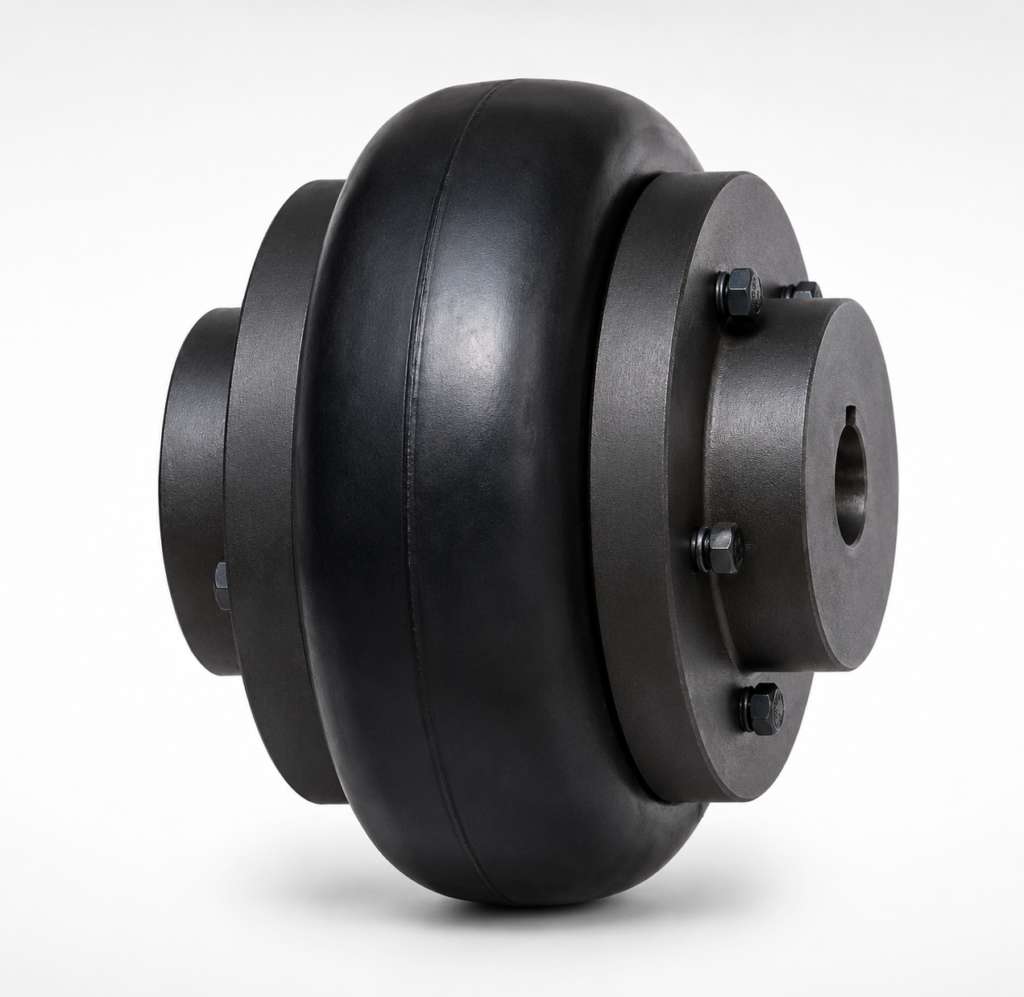
Tyre couplings utilize a flexible rubber tyre element to compensate for misalignment and absorb shock loads.
Applications:
Fans, compressors, conveyor drives, industrial pumps.
Benefits:
High flexibility, vibration damping, easy maintenance.
Hydax Coupling
A Hydax Coupling is engineered for demanding industrial applications requiring reliable torque transmission.
Applications:
Mining machinery, cement plants, steel processing units, heavy duty conveyors.
Benefits:
High load capacity, shock absorption, improved operational reliability.
Schmidt Kupplung
A Schmidt Kupplung is a specialized coupling designed to transmit torque between shafts with large parallel offsets.
Applications:
Printing machines, packaging systems, automation equipment, precision manufacturing.
Benefits:
Handles significant shaft offsets, smooth power transmission, precise positioning.
Final Thoughts
The various different types of couplings available today are designed to meet specific industrial requirements. Understanding the classification of coupling and selecting the right types of coupling helps industries improve productivity, reduce maintenance costs, and maximize machinery performance.


