
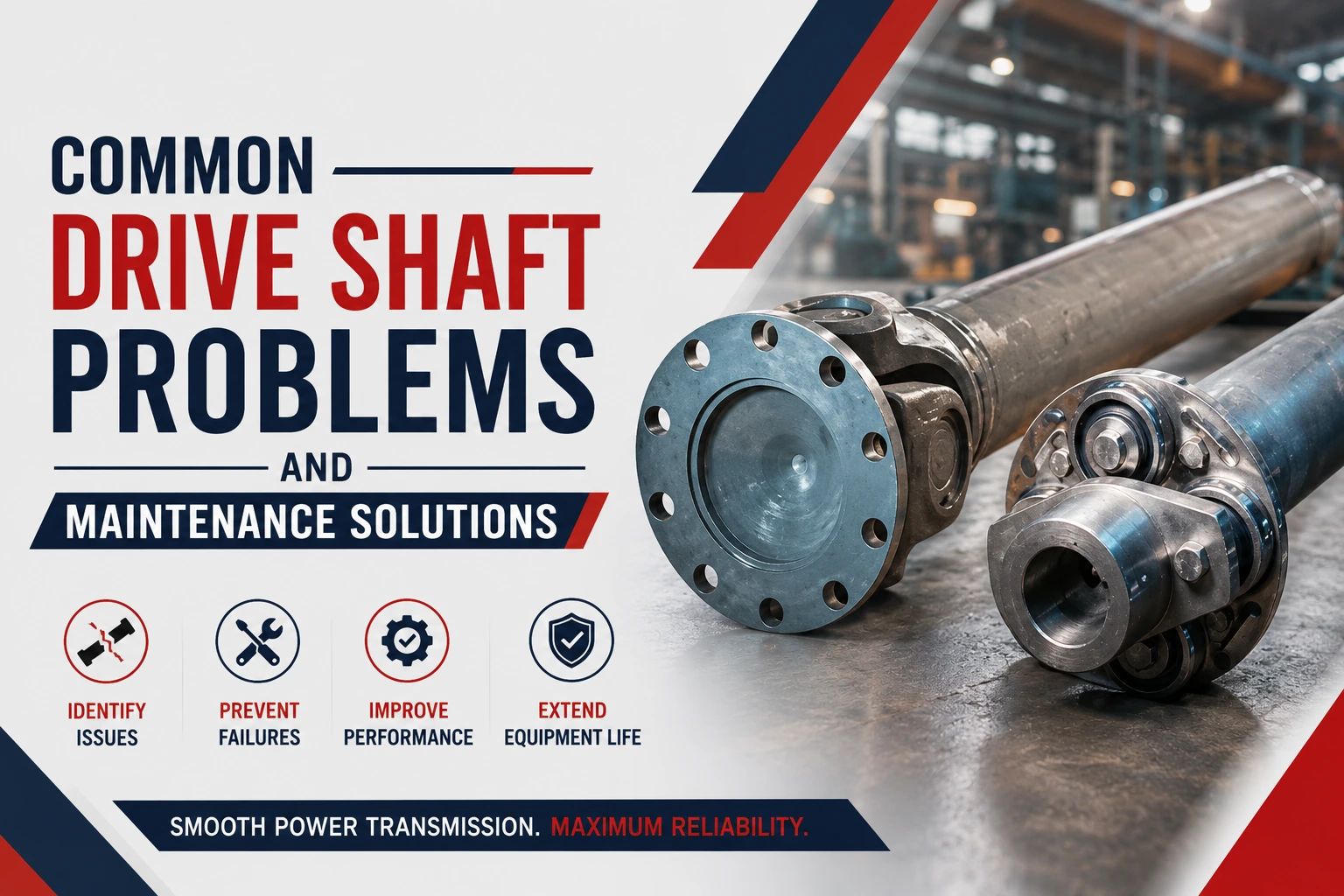
Introduction
A drive shaft is one of the most critical components in any mechanical power transmission system. Whether it’s used in industrial machinery, heavy equipment, or automotive applications, the drive shaft is responsible for transferring torque from one component to another and when it fails, entire operations can come to a halt.
Understanding the most common drive shaft problems and applying the right maintenance solutions can save businesses thousands of dollars in unplanned downtime, repairs, and equipment replacement. In this guide, we break down the warning signs, root causes, and step-by-step maintenance practices that keep drive shafts running smoothly for years.
If you’re searching for reliable ways to diagnose drive shaft issues or looking for preventive maintenance strategies, this article covers everything you need to know.
What Is a Drive Shaft and Why It Matters
A drive shaft (also called a propeller shaft or power transmission shaft) connects two rotating components typically a motor or engine to a gearbox, pump, or another driven unit allowing torque and rotational power to transfer efficiently. Because drive shafts operate under constant load, vibration, and rotational stress, they are highly susceptible to wear over time if not properly maintained.
A well-maintained drive shaft ensures:
- Smooth and efficient power transmission
- Reduced vibration and noise
- Longer equipment lifespan
- Lower maintenance costs
- Minimal unplanned downtime
Common Drive Shaft Problems
1. Excessive Vibration
Vibration is one of the earliest and most noticeable signs of a drive shaft problem. It usually indicates an imbalance in the shaft, worn universal joints, or misalignment between connected components. Left unaddressed, vibration accelerates wear on bearings, seals, and couplings.
2. Clunking or Clicking Noises
Unusual noises during acceleration or rotation typically point to worn U-joints, loose fasteners, or a failing coupling. This is often one of the first audible symptoms operators notice before a complete failure occurs.
3. Universal Joint (U-Joint) Wear
U-joints allow the drive shaft to operate at varying angles. Over time, constant flexing and inadequate lubrication cause these joints to wear out, leading to looseness, vibration, and eventual shaft failure if not replaced.
4. Shaft Misalignment
Misalignment between the drive shaft and connected machinery places uneven stress on bearings, couplings, and joints. This is one of the leading causes of premature drive shaft failure and is often caused by improper installation or shifting equipment foundations.
5. Grease Leakage and Seal Failure
Seals prevent contamination and retain lubrication in the shaft’s moving parts. When seals degrade, grease leaks out and dirt or moisture enters, accelerating corrosion and wear.
6. Corrosion and Rust Buildup
Drive shafts operating in harsh industrial environments exposed to moisture, chemicals, or extreme temperatures are prone to corrosion. Rust weakens the shaft’s structural integrity and can lead to sudden failure under load.
7. Coupling Failure
The coupling connects the drive shaft to the driven equipment. A worn or incorrectly matched coupling can cause torque loss, excessive heat, and vibration, ultimately damaging both the shaft and connected machinery.
What Causes Drive Shaft Failures?
While symptoms vary, most drive shaft failures stem from a few root causes:
- Lack of routine lubrication leading to friction, heat buildup, and joint wear
- Operating beyond rated torque or speed limits
- Poor alignment during installation
- Infrequent inspection schedules
- Using incompatible or low-quality couplings
- Environmental exposure without adequate protection (dust, moisture, chemicals)
Identifying these causes early through regular inspection is the foundation of effective drive shaft maintenance.
Drive Shaft Maintenance Solutions
1. Establish a Routine Lubrication Schedule
Proper lubrication reduces friction and heat at U-joints, splines, and bearings. Follow manufacturer-recommended intervals and always use the correct grease type for your operating conditions.
2. Conduct Regular Alignment Checks
Misalignment is preventable. Scheduling periodic alignment checks especially after maintenance work or equipment relocation helps avoid unnecessary stress on the shaft and connected components.
3. Perform Vibration Analysis
Using vibration monitoring tools helps detect imbalance or wear before it becomes a costly failure. Many industrial facilities now use predictive maintenance sensors to catch these issues early.
4. Inspect Seals and Boots Frequently
Check seals for cracks, leaks, or contamination regularly. Replacing a worn seal early is far less expensive than replacing an entire shaft damaged by dirt ingress.
5. Balance and Inspect the Shaft Periodically
Have the drive shaft dynamically balanced during scheduled maintenance windows, particularly for high-speed applications where imbalance has a greater impact on performance.
6. Use High-Quality, Correctly Rated Couplings
Coupling selection plays a major role in drive shaft longevity. Using a coupling that doesn’t match the torque, speed, or misalignment requirements of your system accelerates wear on both the coupling and the shaft itself. This is where working with a trusted Industrial Coupling Distributor makes a measurable difference ensuring you get components engineered for your exact application rather than a generic fit.
For applications involving variable loads, shock absorption, and flexibility, many maintenance teams choose a Grid coupling and Tyre coupling for its ability to dampen vibration and accommodate minor misalignment, reducing strain on the connected drive shaft.
7. Keep Detailed Maintenance Records
Track inspection dates, lubrication schedules, and part replacements. This historical data helps identify recurring issues and improves future maintenance planning.
When to Repair vs. When to Replace
Not every drive shaft problem requires a full replacement. Minor U-joint wear, seal damage, or coupling issues can often be repaired cost-effectively. However, replacement is generally recommended when:
- The shaft shows visible cracks, bending, or corrosion damage
- Vibration persists even after balancing and alignment correction
- Repeated failures occur despite proper maintenance
- The shaft no longer meets torque or speed requirements for the application
A qualified technician or your equipment supplier can help assess whether repair or replacement is the more cost-effective long-term solution.
Choosing the Right Coupling for Longer Drive Shaft Life
Since couplings directly influence how much stress a drive shaft absorbs during operation, selecting the right type is one of the most impactful maintenance decisions you can make. Factors to consider include:
- Torque capacity and safety factor
- Misalignment tolerance
- Vibration dampening requirements
- Operating environment (temperature, moisture, chemical exposure)
- Ease of maintenance and replacement
Partnering with an experienced supplier ensures you receive guidance based on real operating conditions rather than guesswork reducing the likelihood of premature drive shaft failure.
Conclusion
Drive shaft problems rarely appear without warning. Vibration, noise, misalignment, and seal wear are all signals that, if caught early, can prevent costly downtime and equipment damage. By implementing a proactive maintenance schedule — covering lubrication, alignment, balancing, and coupling selection businesses can significantly extend drive shaft life and improve overall equipment reliability.
Investing in quality components and working with a knowledgeable supplier is just as important as the maintenance routine itself. The right coupling, properly matched to your application, protects your drive shaft and keeps your operations running without interruption.
Frequently Asked Questions
How often should a drive shaft be inspected? Most industrial applications recommend inspection every 3–6 months, or more frequently in high-load or harsh environments.
What is the most common cause of drive shaft failure? Misalignment and inadequate lubrication are the two leading causes of premature drive shaft failure.
Can a drive shaft be repaired instead of replaced? Yes, in many cases worn U-joints, seals, or couplings can be repaired or replaced individually without needing a full shaft replacement.


